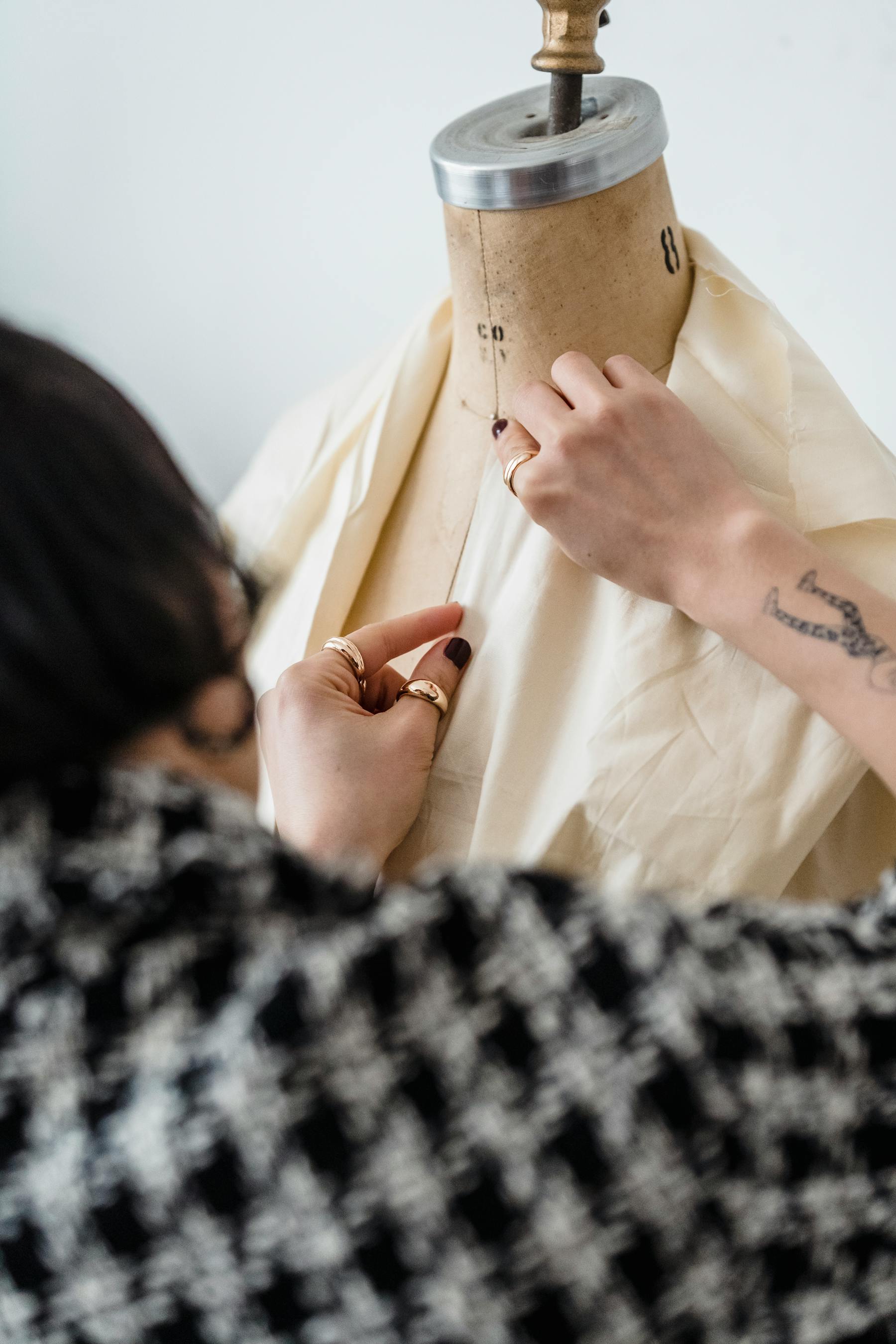
Measurements are useful after the scope is clear.
For many CosLoom inquiries, references come first and measurements come second. This is because a full costume, armor set, prop, wig direction, and light custom base do not need the same measurement list. Asking for every possible number too early can waste time and still miss the measurements that actually matter for the build.
The first brief should explain what is being made. Once CosLoom understands the pieces, silhouette, fit level, and use case, the studio can request the measurements that match the project. A fitted bodysuit, structured gown, layered coat, armor chest plate, crown, glove, staff, and shoe cover all ask different questions of the body.
- Send references first if unsure
- Mention whether measurements are ready
- Wait for a tailored list when the scope is complex
- Include fit concerns early
Core costume measurements need consistency.
Most garment-based costumes begin with height, bust or chest, waist, hips, shoulder width, arm length, inseam, and preferred garment lengths. These numbers should be taken with a soft tape, in the planned underlayers when possible, and with the tape level rather than tight. Cosplay fit often needs movement room, not just a body outline.
If the costume includes a skirt, robe, cape, coat, glove, collar, or bodice, CosLoom may ask for additional lengths and circumferences. For stage and photoshoot work, the studio may also ask about planned shoes, posture, posing needs, or whether the client prefers a tighter camera-facing fit or a more forgiving convention fit.
- Height
- Bust or chest, waist, and hips
- Shoulder width and arm length
- Inseam, sleeve, skirt, coat, or robe length
Armor, props, wigs, and accessories need different data.
Armor and accessories often need measurements that garment charts ignore. A helmet or crown may need head circumference and front-to-back head depth. Bracers and gloves may need wrist, forearm, hand, and finger notes. Shoulder armor may need shoulder width, upper arm movement, and how it will attach to the costume.
Props may need body scale instead of body fit. A staff, sword, wand, shield, or bag should be sized to the wearer, the character, event rules, and shipping limits. Wig direction may need head circumference, hairline notes, preferred styling volume, and whether the wig must survive travel, photos, or repeated wear.
- Head circumference for crowns, helmets, and wigs
- Wrist, hand, forearm, and shoulder notes for armor
- Prop length and event rules
- Shipping size limits for large pieces
Fit notes are as important as numbers.
Measurements alone do not explain comfort. CosLoom also needs to know if the client will walk a lot, sit during an event, perform, travel with the costume, wear heels, use shapewear, carry props, or avoid pressure on certain areas. These notes shape construction decisions and can prevent beautiful but uncomfortable outcomes.
If someone else is measuring you, ask them to write the numbers clearly and take photos only if comfortable and appropriate. Do not upload sensitive identity documents or unrelated private files. A good measurement note is practical, respectful, and tied to the costume parts being made.
- Comfort limits
- Mobility and sitting needs
- Planned shoes and underlayers
- Any special fit concerns